
1
Diagnosis
What condition is being treated?
“Dental coverage” can mean very different things: treatment for a new covered dental illness or injury, extractions and anesthesia tied to eligible treatment, or routine preventive cleaning. The policy has to be read at that level of detail.
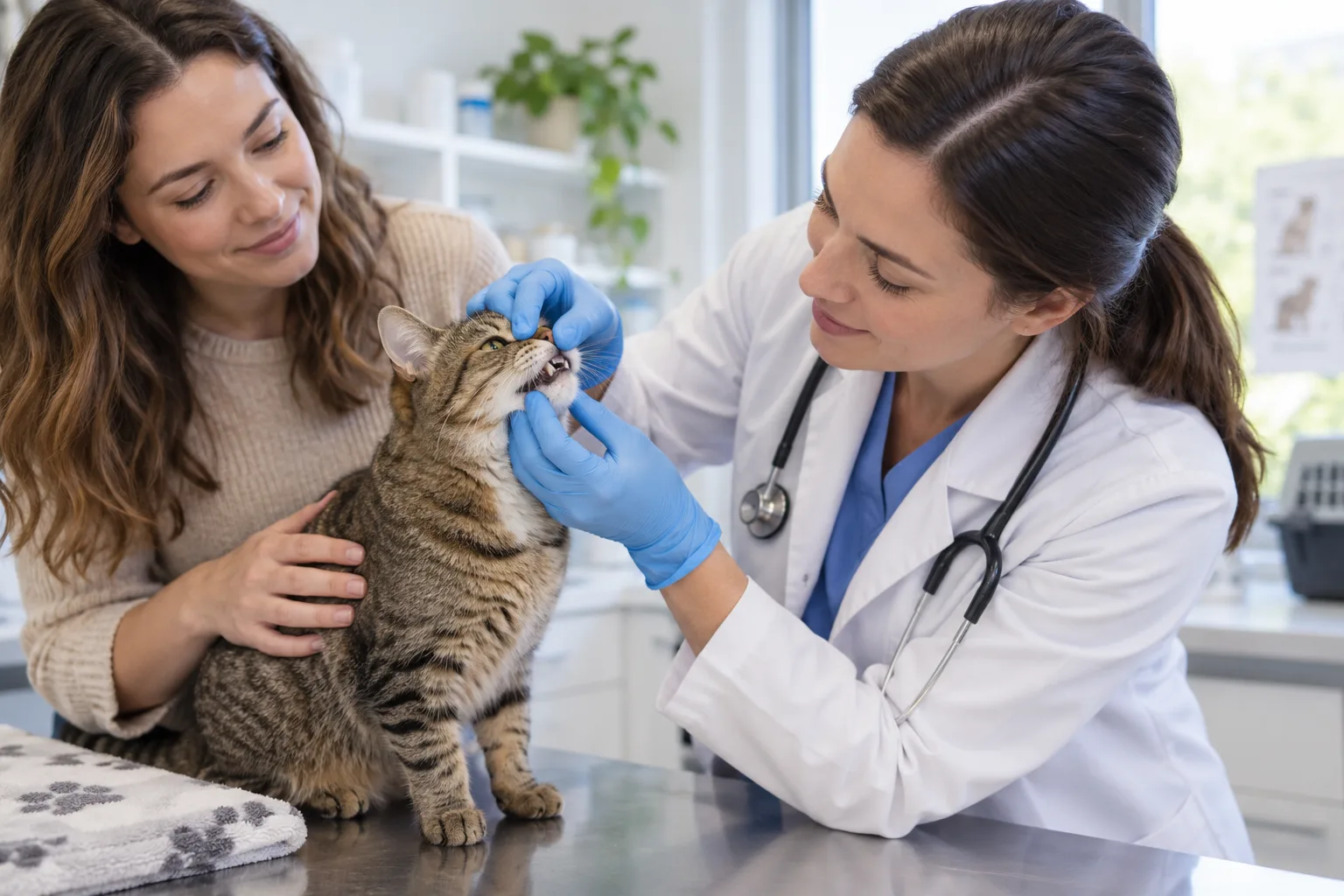
Ask whether the policy covers a new dental accident/illness and then separately ask how routine cleaning or wellness dentistry is handled.
A prior note about periodontal disease, resorption, fractured teeth, gingivitis, or recommended treatment can matter under the policy’s pre-existing-condition language.
This is a verification framework, not a promise about a particular insurer.
| Dental situation | How to classify the question | What to verify |
|---|---|---|
| New traumatic tooth injury after coverage begins | Potential accident claim | Accident definition, waiting period, eligible procedures, exclusions. |
| New dental illness diagnosed after coverage begins | Policy-dependent illness claim | Dental-illness wording, periodontal exclusions, pre-existing history, sublimits. |
| Extraction tied to an eligible condition | Policy-dependent treatment expense | Whether extraction, anesthesia, medications, imaging, and exam fees are eligible. |
| Routine cleaning with no illness claim | Commonly preventive/wellness question | Base-policy exclusion plus any wellness or routine-care schedule. |
| Previously documented dental disease | Pre-existing-condition question | Prior chart notes, recommendations, treatment history, and policy definition. |
AAHA describes comprehensive dental care as involving examination, radiographs, cleaning, anesthesia, and treatment as needed. A claim can therefore include several line items whose eligibility may differ under the policy.

A veterinarian can appropriately recommend a procedure while the policy still excludes it. Keep the clinical decision and the insurance decision separate.
The chart before enrollment matters — Dental disease can be documented before an owner notices symptoms. Request earlier oral-exam findings and recommendations before assuming a later dental claim is new.
What condition is being treated?
Cleaning, extraction, radiographs, surgery, medication?
Was the tooth or disease documented earlier?
Accident, illness, wellness, or excluded preventive service?
Search the full policy for dental, periodontal, tooth, extraction, cleaning, and oral terms.
Look for tartar, gingivitis, resorption, fractures, or recommended procedures.
Ask the clinic for an estimate and compare each line with eligible-expense rules.
If a wellness benefit contributes to cleaning, record its cap and added cost independently.
Insurance terms still come from the policy you buy. The sources below support the insurance and veterinary context used specifically for Cat Pet Insurance That Covers Dental.
State-regulator overview of pet-insurance coverage types, exclusions, waiting periods, deductibles, limits, and pricing factors. Context checked specifically for Cat Pet Insurance That Covers Dental.
Open source ↗ AAHA — Dental Care Guidelines for Dogs and CatsProfessional veterinary guidelines explain the scope of proper dental evaluation and treatment, including the role of anesthesia and dental radiography. Context checked specifically for Cat Pet Insurance That Covers Dental.
Open source ↗A live quote tells you price. The dental section of the policy tells you whether the type of care you have in mind can be eligible.
Routine cleaning is often treated as preventive or wellness care rather than standard accident-and-illness treatment. Verify the policy and any wellness benefit.
They can be policy-dependent when medically necessary for an otherwise covered condition. Check diagnosis, history, dental exclusions, eligible expenses, and limits.
They can be distinct charges on a veterinary dental claim. AAHA also identifies anesthesia and radiography as important parts of comprehensive dental evaluation and treatment.